
How long interior paint takes to dry really comes down to the paint you pick and the conditions inside your house. Some formulas feel ready in an hour or two. Others need much more time before you can safely move forward.
The whole process depends on several variables. You also have to understand the real difference between when paint is dry to the touch and when it has fully cured. Getting those two ideas straight makes a bigger difference than most people expect.
Interior Paint Drying Time: At A Glance
- Interior paint dry time to the touch is typically 1 to 2 hours for latex and up to 8 hours for oil-based
- Full cure takes 7 to 30 days depending on paint type instead of just a few hours after you finish rolling
- Humidity and temperature are the two biggest factors that slow or speed up the process in your home
- Recoating too soon causes peeling, tackiness, and uneven color that shows up later
- Each paint type from latex to oil-based, chalk, and primer has its own specific dry and recoat window
Dry Time Vs. Cure Time: What Is The Difference?
Dry time is that early stage when the paint no longer feels wet. You can touch the wall without it sticking to your finger. The surface has formed a skin, yet the material underneath is still releasing moisture and solvents.
Cure time is the longer haul. This is when the paint completely hardens and bonds with the surface below it. Most latex paints need two to four weeks to reach full strength. Oil-based paints can take even longer.
You might think your walls are finished once they feel dry. That assumption gets many homeowners in trouble. The paint remains soft and vulnerable until the curing process finishes.
Factors That Affect How Long Interior Paint Takes To Dry
Plenty of factors influence how quickly your interior paint dries. The conditions inside your house can either help the paint set up nicely or drag the process out for days. Here are the main factors that matter most.
- Thicker coats take noticeably longer because there is simply more liquid that needs to evaporate from the surface.
- Air movement makes a huge difference and rooms with fans running dry faster than stuffy spaces with closed doors.
- The material underneath the paint affects results since new drywall sucks up moisture differently than old painted walls.
- Paint quality plays a big role with better formulas usually behaving more predictably than cheaper ones.
- Local weather in Ardmore, Oklahoma and nearby towns adds another layer especially when summer humidity climbs and stays high for weeks.
As experts in painting services across southern Oklahoma, we have watched these factors change project timelines many times over the years.
Interior Paint Dry Times By Room Surface
Different surfaces around your house behave differently when painted. The material and how the room is used both influence drying times. Keep these patterns in mind as you plan your project.
Walls And Ceilings: Smooth walls painted with good latex usually feel dry within one to two hours. Textured walls take longer because paint sits on the high points while the low areas stay wet. Ceilings often dry more slowly since warm air rises and reduces circulation near the top.
Trim And Doors: Trim and doors get handled constantly so they need more careful timing. Latex on detailed woodwork is generally ready for the next coat after six hours. Oil-based enamel needs a full eight hours or more before you should sand or recoat.
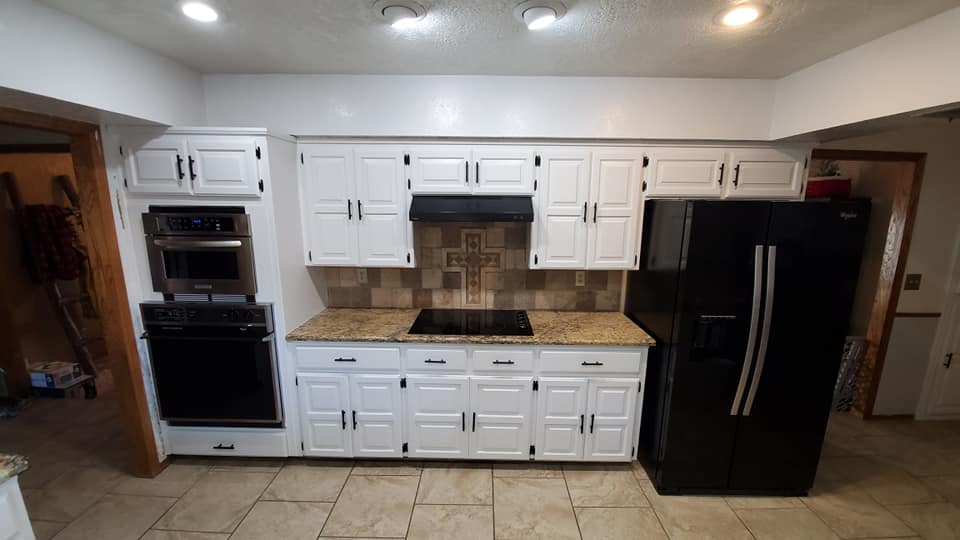
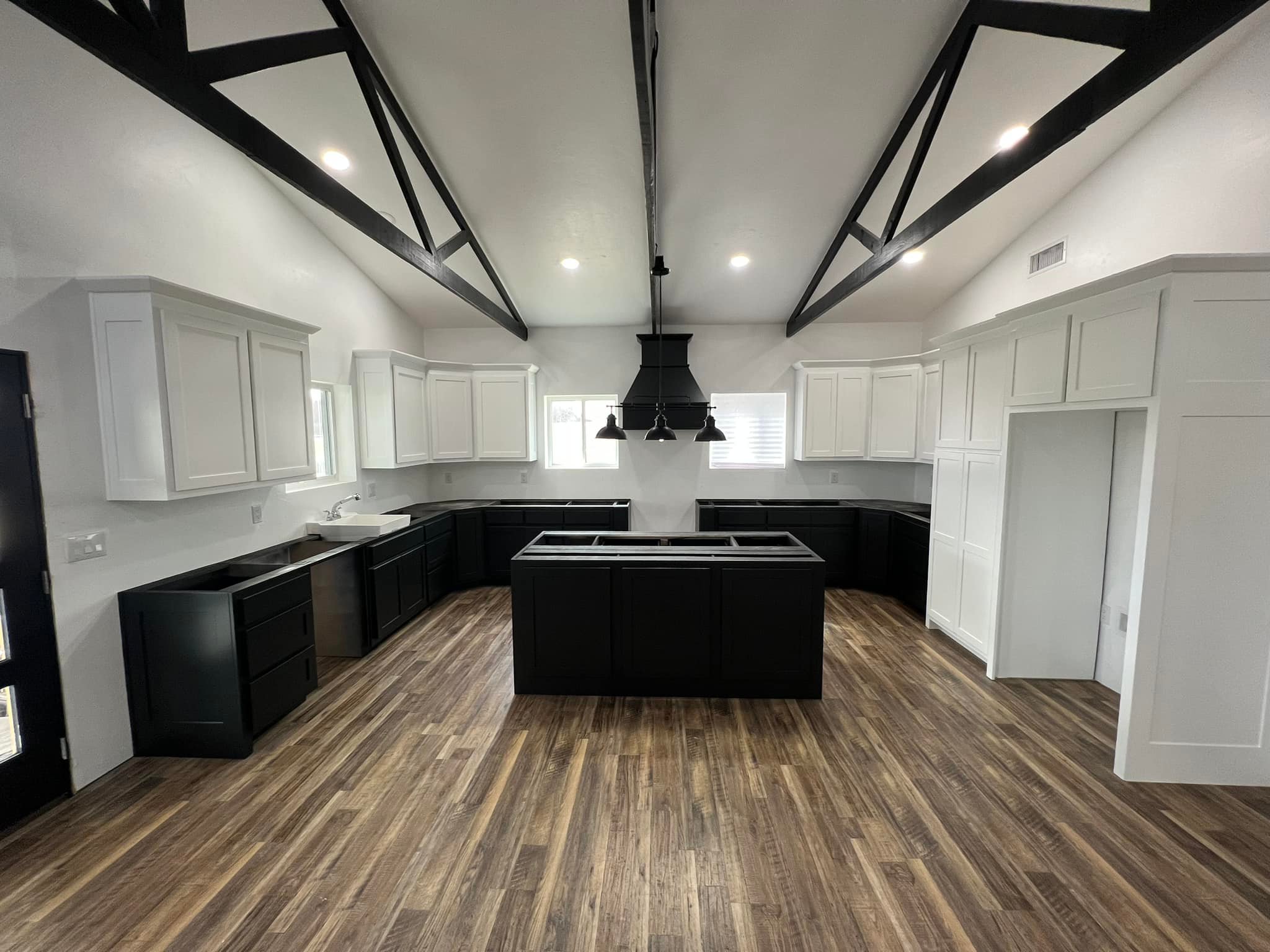
Kitchen And Bathroom Cabinets: Cabinet surfaces face moisture and frequent contact every day. Even when the paint feels dry after a few hours the film underneath may still be tender. These areas reward patience more than almost any other spot in the house.
Basement And Utility Spaces: Lower levels in homes around Ardmore often hold extra moisture. Paint in these rooms can take fifty percent longer to dry than upstairs areas. Running a dehumidifier helps create more predictable results here.
Signs That Interior Paint Is Fully Dry
You do not need fancy equipment to figure out when your paint has dried enough for the next step. A few straightforward checks work well in most homes. Try these methods before you start moving furniture back into the room.
- The wall feels completely dry and room temperature when you press your hand flat against different spots.
- The fresh paint smell has faded away or become very faint which usually means most of the solvents have left.
- Painter’s tape pulls away cleanly without lifting any paint or leaving sticky residue behind.
- The color looks even across the whole surface with no glossy wet patches hiding in the corners.
- A clean white cloth rubbed gently on the wall shows no color transfer and no visible smudges.
Most homeowners tell us these simple tests have saved them from costly touch-ups later.
How Long Each Type Of Interior Paint Takes To Dry
How long interior paint take to dry changes quite a bit depending on the specific product you choose. Manufacturers design each formula for different needs. That means their drying behavior varies more than you might expect at first.
- Standard latex paint usually reaches touch dry in one to two hours and accepts another coat after about four hours in normal conditions.
- Oil-based paint dries much more slowly with six to eight hours needed before you can touch it safely.
- Chalk paint sets up surprisingly fast and often feels dry in around thirty minutes though it still needs a full day before sealing.
- Primer dries to the touch in thirty minutes to one hour but always follow the full recoat time listed on the container.
- Low-VOC formulas can take longer than traditional paints because they contain fewer quick-evaporating chemicals.
How Long To Wait Between Coats Of Interior Paint
The time you wait between coats affects how well everything bonds together. Rushing this step is one of the fastest ways to create headaches down the road. These guidelines help you build a strong lasting finish.
- Latex paint on walls generally needs four hours minimum between coats though waiting overnight often gives better results.
- Oil-based paint requires at least twelve hours and performs more reliably when you wait a full twenty-four hours.
- Cabinet and trim work benefits from six to eight hours between latex coats because these surfaces get touched often.
- Darker colors tend to need extra time between coats due to higher pigment levels that slow down the drying.
- Humid conditions common in Oklahoma summers call for adding several extra hours to every recommended waiting period.
What Happens When Interior Paint Does Not Dry Properly?
Paint that does not get enough time to dry and cure properly usually reveals problems gradually. The issues range from small annoyances to major failures that require starting over. Here is what tends to happen.
Peeling And Flaking: Poor bonding between coats or with the original surface leads to peeling at edges and corners first. Over time these small failures spread across larger areas.
Tacky Or Sticky Finish: Some walls never fully harden and stay slightly tacky to the touch. Dust sticks to them easily making the surface look dirty even after regular cleaning.
Discoloration And Yellowing: Paint that cures too slowly can yellow over time particularly in rooms that do not get much natural light. This creates patchy looking walls that bother you every time you walk in.
Poor Adhesion Between Coats: When the second coat goes on before the first has stabilized the layers can separate. You end up with cracking that resembles alligator skin across the wall.
Bubbling And Blistering: Trapped moisture sometimes creates bubbles under the paint skin. These eventually pop and leave small craters that are impossible to ignore.
Does Temperature Or Humidity Affect Interior Paint Dry Time?
Temperature and humidity affect how your paint dries. Ideal conditions sit between sixty-five and eighty-five degrees with humidity below fifty percent. Once you step outside that sweet spot things get less predictable.
Here in Ardmore and the surrounding region, our hot humid summers can double normal drying times for water-based paints. Cold snaps during winter slow everything down so much that the paint may not form a proper film.
Good airflow helps in every season. Open windows when the weather cooperates or run fans to move air across the walls. Small adjustments like these often make the difference between a good job and a great one.
Our advice as painting professionals would be to check your local forecast before you start a big interior project.
Your Walls Deserve To Be Done Right
Your walls carry so much more than just color. They protect your home and affect how the whole space feels every single day. Taking the proper time during painting prevents so many future headaches.
Being focused on quality and customer care since 2020, Derheim Painting has built a reputation around doing things the right way instead of the fast way. You deserve paint that looks excellent and stays that way for years.
Give us a call to schedule a free consultation. We serve Ardmore and all the surrounding communities with the kind of careful attention your home deserves.