


Ever painted a room and stepped back thinking, “Why does this feel a little off?” It’s easy to blame the color or the lighting, but the finish is often the real reason. The same shade can look calm and velvety in one sheen, then brighter and sharper in another. Once it dries, that choice becomes part of the room every single day.
In Ardmore, Oklahoma, this comes up more than you’d think. A guest room can look perfect with a soft, low-sheen wall, while a hallway that connects the kitchen and the back door needs something that can handle fingerprints and scuffs without looking tired. If you’re repainting a home in Ardmore or freshening up a place in Davis, Kingston, or near Lake Texoma, picking the right finish is one of those small decisions that quietly affects everything.
What Paint Finishes Actually Do
Paint finishes are about sheen, meaning how much light the surface reflects. Lower sheen paints absorb more light, so walls look smoother and small flaws are less noticeable. Higher sheen paints reflect more light, which can brighten a space and make surfaces easier to wipe down. The trade-off is that shine can reveal bumps, patches, and uneven drywall, especially when sunlight hits the wall from the side.
Durability is tied to sheen, too. In most cases, more sheen means the surface is tougher and more washable. That doesn’t mean glossy is always best. It just means shine should match the room’s needs.
Paint typically comes in four sheen levels: flat, satin, semigloss, and gloss. You’ll also see labels like matte or eggshell, and those can vary by brand, so it helps to think in terms of performance instead of just the name on the can. Before you choose, ask a few honest questions:
- Does this room get a lot of traffic, or is it mostly quiet?
- Will the walls need regular cleaning?
- Do you want a soft look or a crisp look that reflects light?
- Are the walls smooth, or do they have patches and texture?
Matte Finish: Soft, Calm, and Cozy
Matte is the finish people choose when they want a relaxed, comforting look. It has very little shine, so it makes walls feel calm and uniform. It also helps hide minor imperfections. If your walls have a few patched nail holes, light cracks, or slightly uneven drywall, matte is usually the most forgiving option.
Matte is a great fit for:
- Bedrooms and guest rooms
- Home offices
- Dining rooms
- Low-traffic living rooms
- Ceilings
The downside is cleaning. Matte isn’t built for heavy scrubbing. If the wall gets touched constantly, like near switches, corners, or a busy hallway, repeated wiping can leave shiny spots. Some newer washable matte paints do better than older flat finishes, but the general rule still applies. Matte belongs in spaces that don’t get handled every day.
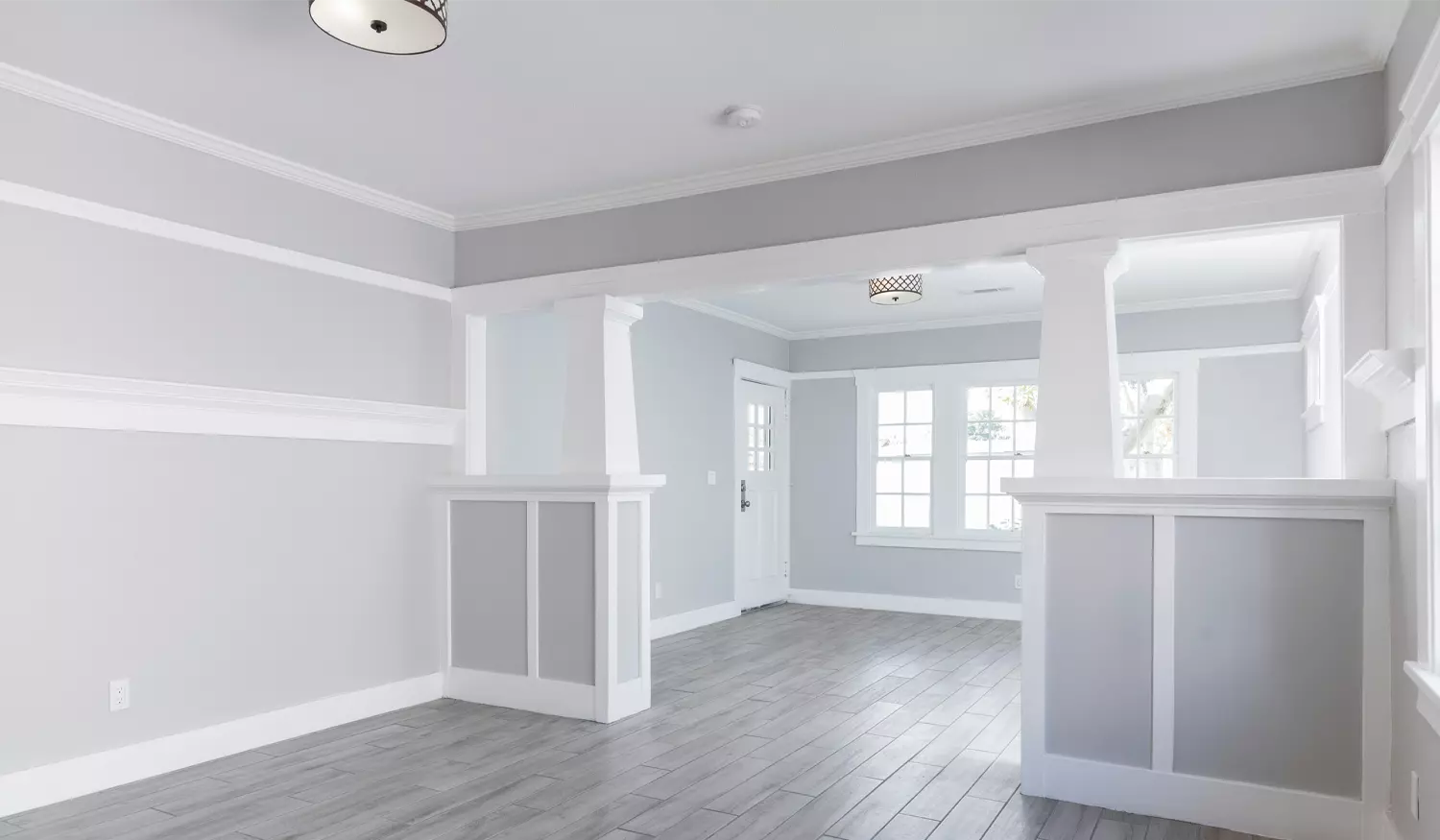
A practical tip many Ardmore homeowners like: keep matte on the walls for that cozy look, then use a tougher finish on trim and doors. The room stays soft, and the high contact surfaces are easier to clean.
Why Satin Finish Works So Well
Satin is the happy middle ground. It has a gentle glow that makes color feel lively, but it doesn’t turn the wall into a mirror. It’s also more durable than matte, which is why it works so well in real, lived-in homes.
Why people love satin:
- A soft sheen that adds depth without glare
- Better resistance to scuffs than matte
- Easier wipe downs for everyday messes
- A balanced look that fits most styles
Satin is a strong choice for:
- Hallways and stairways
- Family rooms and living rooms
- Kids’ rooms
- Laundry rooms
- Open layouts where light changes throughout the day
One thing to know is that satin can show uneven prep. If one area is heavily patched and another is smooth, the sheen can highlight the difference. The fix is careful sanding, spot priming, and an even paint application. When that prep is done right, satin looks clean and consistent, even in tricky lighting.
When Gloss Finish Is the Winner
Gloss and semi-gloss finishes are the tough ones. They reflect a lot of light, they resist moisture better than flatter paints, and they clean up easily. Most homes use gloss on smaller, high contact surfaces, not entire walls, because the shine can feel intense on a big flat area.
Gloss is great for:
- Doors and door frames
- Baseboards, window trim, and crown molding
- Kitchens and bathrooms where moisture is common
- Cabinet painting and built-ins
- Accent pieces that you want to stand out
What makes gloss helpful is also what makes it demanding. It shows everything. Tiny dents, sanding scratches, or roller texture can become obvious once the finish dries. That’s why prep matters so much. For cabinets, especially, good results come from cleaning, sanding, priming, and applying the finish evenly. When the surface is smooth, gloss looks sharp and polished. When the surface is rushed, gloss can make the problems louder.
How To Pick The Right Finish
Start with the job the room needs to do. A quiet bedroom usually doesn’t need a finish built for constant cleaning, so matte can make sense. A hallway that funnels people to the kitchen and bathroom needs something more durable, which is where satin often shines. In bathrooms, laundry rooms, and kitchens, moisture and frequent wipe downs usually push trim and doors toward semi-gloss or gloss.
Lighting should influence your decision, too. In strong sunlight, a higher sheen can create glare and show more wall texture. In a darker room, a little sheen can help bounce light and keep the space from feeling dull. The easiest way to avoid surprises is to test a small patch and look at it in the morning, afternoon, and at night.
The general paint finish selection rules are flat for ceilings, matte and eggshell for walls, satin and semi-gloss for trim, and gloss for accent pieces. It isn’t the only approach, but it’s a reliable baseline for most homes. For Ardmore area homes, another practical layer is lifestyle. If you have kids, pets, or a busy entryway, lean more durable in the spaces that get handled most.
Tips for a Smooth, Stress-Free Finish
- Always test the finish on a small patch first. Sheen can look different once it’s dry and once the room lighting changes.
- Clean the walls before painting, especially in kitchens, hallways, and around light switches. Dust and oils can affect adhesion.
- Patch and sand carefully. Matte hides more than gloss, but no finish can hide a sloppy patch job.
- Prime when needed. New drywall, stained areas, repaired spots, and big color changes often look more even with primer.
- Use the right roller nap for the surface. Texture affects sheen, and sheen affects how the texture reads.
- Plan your wall and trim pairing. Softer walls with slightly glossier trim often look crisp and intentional.
- Think about maintenance. If you know you’ll be wiping down the wall often, choose a finish that can handle it.
When the finish fits the room, the paint looks natural, not fussy. And when the prep is done right, the final result feels easy to live with. If you’re planning for house painting, Derheim Painting can help you land on a finish that looks great on day one and still looks great after the everyday stuff. Give us a call and let’s give your space that “wow, this feels right” look the moment you walk in.